Capitol Hill Pediatric Dentist
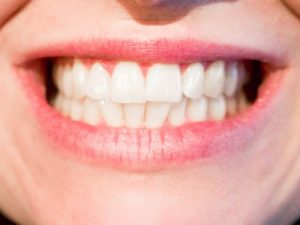 Your child’s mouth contains hundreds of bacteria. Before your child reaches for the toothbrush and mouthwash, understand that not all bacteria are bad. Here’s what you need to know about the bacteria that makes its home in your child’s mouth.
Bacteria Basics
More than 700 different oral bacteria species have been detected. Most people usually have less than 10% of these different strains in their mouth at one time. Different strains have different purposes. Bacteria that are harmless and help digest food are known as probiotics. Other types of bacteria help keep your child’s teeth and gums healthy. The troublemakers are those that contribute to decay and periodontal disease.
The Dangers of Bacteria
Bacteria constantly grow and multiply in your child’s mouth. According to Registered Dental Hygienist Magazine, certain bacteria species can double their population in 20 minutes if conditions are right. They feed on starches and sugars that are the byproduct of the food and drinks your child consumes throughout the day. Certain bacteria types produce an acid while they feed. This acid erodes your child’s tooth enamel, leaving their teeth susceptible to decay.
Maintain a Healthy Mouth
The best way to manage the bacteria in your child’s mouth is to maintain excellent oral hygiene. Brushing at least twice each day for two full minutes and flossing regularly is the best way to keep bacteria in check. You may want to consider an antibacterial mouthwash. Another key element to maintaining optimal oral health is sticking to a healthy diet. By avoiding or cutting back on foods and drinks that contain high amounts of sugars, acids, and starches, you can reduce the multiplication of bacteria that feed on these byproducts.
Not all bacteria are out to harm your child’s teeth. Bacteria can be incredibly helpful in maintaining your child’s overall heath. To help protect your child’s mouth and teeth against the bad bacteria strains, keep them following their oral hygiene routine. During your next visit to our office, we will provide a thorough cleaning and check for decay. We will also screen for any signs of other oral diseases.
For more information on keeping your child’s mouth healthy, please contact our team.
 How often does your child eat candy? According to a study conducted by the USDA Economic Research Service, children under 12 consume an average of 49 pounds of sugar in one year. While candy is not the sole source of sugar in a child’s diet, the impacts of sugary candy treats are particularly harmful to teeth. Here’s what you need to know about candy and how it might be damaging your child’s smile.
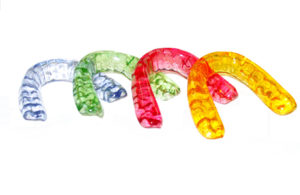 Losing a tooth can make simple tasks difficult. A missing tooth can impact the way you smile, eat, and talk. If your child plays sports, they are at a higher risk for losing a tooth. It is important for them to visit us to discuss potential protective solutions. Mouth guards are a useful tool for keeping your child’s teeth healthy. Here’s what you need to know.
 X-rays provide useful visual data for dentists to utilize when treating you. Occasionally, guests to our office ask about the radiation from x-rays and the dangers associated with high-exposure. Rest assured, a dental x-ray is one of the safest medical imaging procedures there is. Here’s what you need to know about getting a dental x-ray.
 An injury to your mouth can be a painful, expensive experience. For athletes, mouth and tooth injuries pose a very real risk. Mouthguards are an excellent tool for protecting your mouth from injury and harm. Our team can help you find a solution that protects your teeth.
 You want to save time and money, so you take your child to the emergency room for a dental problem. It’s a growing trend especially among parents, but you should generally avoid using the emergency room when dental problems occur. We understand you want your child to receive the best available care in the quickest manner possible. However, it is important to know the best place to seek out for dental issues is often our office.
 Athletes often drink sports drinks during exercise, so it can be easy to believe that these drinks provide important nutrients to help keep you healthy and active. Young adults frequently consume energy drinks to help them stay awake and active for school, work, or play. However, both sports drinks and energy drinks can have profoundly negative impacts on your teeth and your health.
 Our dentist might suggest dental sealants for your child during a visit to our office. Sealants are a way to protect your teeth against decay. With any dental treatment, it helps to understand the procedure and how it can impact your child’s oral health.
 As a parent, you want to keep your child’s teeth safe and healthy all year long. Brushing, flossing, and regular dental visits are great ways to prevent tooth decay. What you may not realize is that the colder weather of the holiday season brings its own challenges to bear. Here are some ways to help protect your child’s oral health this winter.