When you lose a tooth, you may have difficulty chewing, talking, and smiling. Sporting activities put your child at a higher risk of losing teeth. Consult our Pediatric Dentist in Washington DC office to discuss the best oral health solutions for your child. Maintaining your child’s dental health is made easier with a mouthguard. Let’s take a closer look.
Why Use a Mouthguard?
Mouthguards are designed to prevent damage to your teeth. It will protect the tongue, jaw, and lips. Most mouthguards protect the upper teeth because they protrude more than the lower teeth.
Do You Need a Mouthguard?
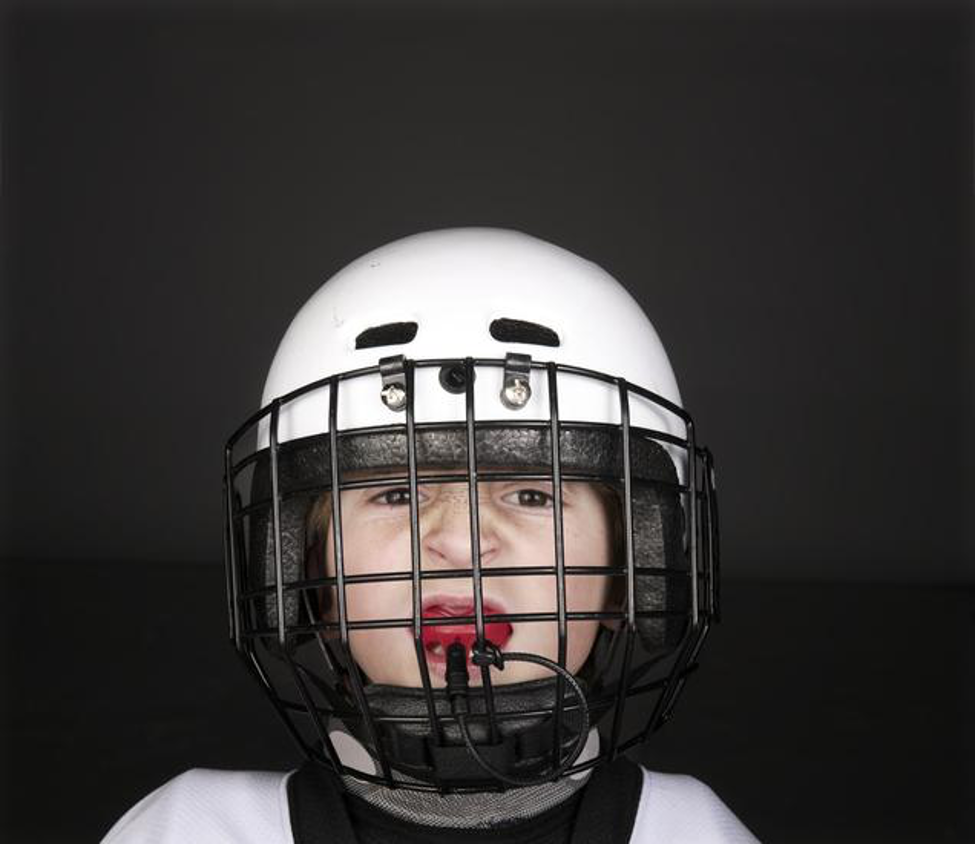
Your child should wear a mouthguard if they play sports, particularly high-contact sports. There are several sports activities where teeth can become injured, including hockey, football, wrestling, and boxing. Make your child’s mouthguard one of the essential pieces of equipment in their sporting activities. A mouthguard may also benefit players who do not engage in contact sports. You can use a mouthguard to protect yourself against oral injuries, even if you are a baseball player or gymnast.
Should I get a custom mouthguard made?
An ideal mouthguard would be custom-fitted for your child’s mouth. Although it is possible to purchase mouthguards in stores, they do not always fit well. Comfortable mouthguards that do not obstruct breathing or prevent you from talking are essential. At your child’s next dental appointment, we can provide your child with a mouthguard. You can rely on us to find a solution that keeps your child’s teeth safe when wearing braces.
Let’s make sure your child’s teeth are protected. Consider how hard it would be to talk, eat, drink, or smile if a tooth was missing. Each time a young athlete practices or competes, they put their mouth at risk. Please protect your child and have him wear protective mouth gear.
Contact our Kids Dentist in Capitol Hill office if you have questions about your child’s dental care or to schedule your child’s next dental appointment.
Capitol Hill Pediatric Dentistry
Phone: (202) 849-3292
Url: https://capitolhillpediatric.dentist/
650 Pennsylvania Ave, SE, Suite 220
Washington, DC 20003