Capitol Hill Pediatric Dentist
Along with cooler weather and the end of year school break, winter brings the return of cold and flu season. When you are focused on a child with a fever, cough, or vomiting, it can be easy to question getting them out of the sickbed to brush their teeth. However, keeping mouths clean and teeth healthy can be even more important during illness. Here are some useful tips for protecting your child’s oral health when they’re sick.
Brush and floss
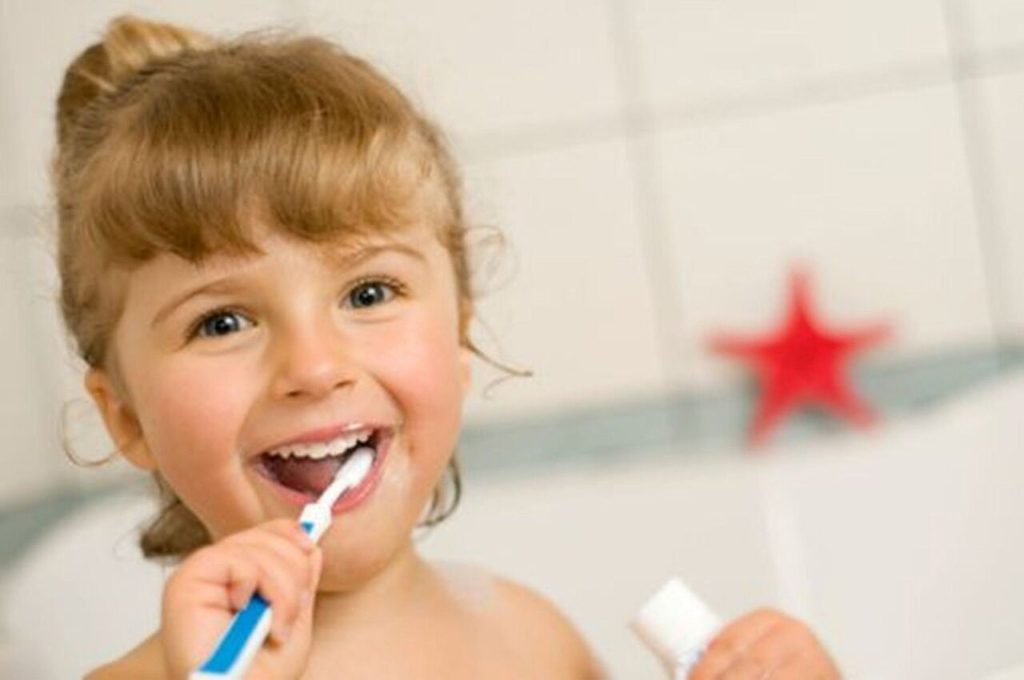
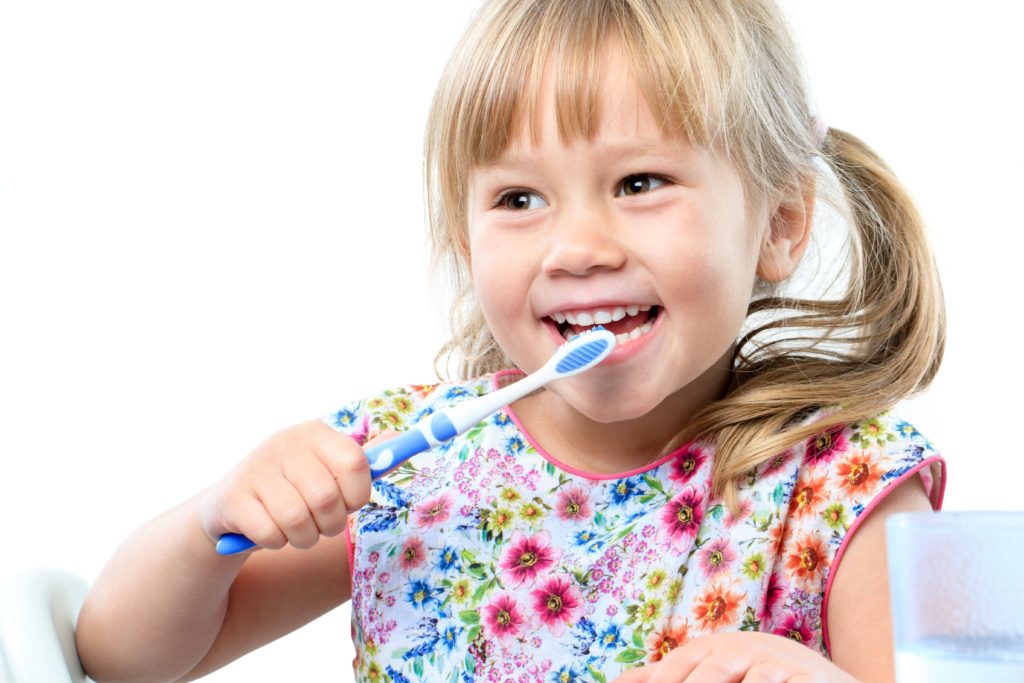
Brushing and flossing helps prevent build-up of harmful germs and bacteria in your child’s mouth. This helps keep their immune system focused on fighting the cold or flu virus. If your child’s illness includes vomiting, their teeth are exposed to acids that can weaken teeth. Help them rinse thoroughly and brush their teeth to avoid damage.
Hydrate
When your child is sick, they need plenty of water to stay hydrated, soothe a sore throat, and keep sinuses moist. In addition, dry mouth can occur during illness and increase risk of tooth decay. Drinking water helps combat dry mouth and congestion.
Watch out for sugars
Cough drops and cough syrups can contain high amounts of sugar to improve the medicine flavor. However, this can leave sugary residue on the teeth. Look for sugar-free options when possible and rinse well after any medicine with sugar.
Disinfect dental appliances
If your child has a dental appliance, such as a retainer, athletic mouth guard, or night guard, be sure it is cleaned thoroughly between uses. Contact our office for information on the type of cleanser that is appropriate for your child’s device.
Follow-up
When your child is well again, replace their toothbrush. Even a clean toothbrush may retain some bacteria or germs following use. To help protect your child from reinfection, discard the used toothbrush in favor of a new one.
For more tips on keeping teeth healthy through an illness, contact our office.
The negative effects of poor oral hygiene are well documented, and can impact much more than your mouth. A lot of serious medical conditions can be caused or worsened by complications arising for poor oral health. Starting your child’s oral care off right serves the twofold benefit of modeling the importance of good oral hygiene to them and giving their mouth a solid foundation of oral health. If you want to ensure your child’s oral health is taken care of, contact our pediatric dental team today to schedule your child’s next examination and cleaning!
Calcium is an important mineral for building strong, healthy teeth. Not everyone can tolerate the lactose found in dairy, which is often a prime source for calcium. There are a wide variety of options available to get the calcium you need. Here are six options rich in calcium:
Do you have white spots on your teeth? Are your teeth quite sensitive? Do your teeth have cracks, chips, or indentations? If yes, then you may be experiencing enamel erosion.
Probiotics are typically advertised as being helpful for digestion. However, studies have shown that they can also improve oral health. Probiotics are beneficial for fighting infections that lead to oral disease.
The U.S. Centers for Disease Control and Prevention have found that tooth decay is the single largest ailment impacting children. In fact, tooth decay is more widespread than illnesses such as asthma. As a parent, you can help establish habits that will lead to a lifetime of optimal oral health for your child. Essential oral health care practices start during infancy. Don’t wait for your child’s teeth to begin erupting before considering their oral health.
Does your child play a musical instrument? While participating in the school band, or learning an instrument at home can be a rewarding and enriching hobby, there can be underlying health risks. This is particularly true if your child plays instruments such as the flute, saxophone, or clarinet. Instruments that require contact with the mouth can be a home for germs and bacteria. Here’s what you can do to keep your child healthy.
According to data provided by the Centers for Disease Control and Prevention (CDC), about 20% of children take prescription medication regularly. There has been a steady, noticeable increase in the number of children using medication prescribed by their doctor. Several types of medication can impact your child’s oral health. When you visit our office for your child’s regular examination, please tell our team about any medications your child uses so we can better adapt our treatment approach.
Little teeth will grow into a big smile. To ensure your child is on track for a lifetime of optimal oral health, it is important to instill good oral hygiene habits early in life. We understand that this can sometimes be a challenge. It’s hard to keep the interest of young children, which can make brushing twice a day for two minutes each time difficult to do. We’ve gathered a few pointers to help you and your child make brushing time a fun experience.
Do you ever think about your toothbrush? You use it twice a day, but how much do you know about it? We’ve compiled a list of interesting toothbrush facts. The next time you brush, consider these bits of trivia.